Home Renovation Contractor: Making Your Vision a Reality
A home remodeling contractor functions as a vital connection between a homeowner's dreams and the technical demands of building. They merge creative vision with technical expertise, ensuring that work complies with building codes and safety standards. This partnership can streamline the renovation process, but it also raises important considerations. Learning how to identify the best contractor and preventing common errors is fundamental to realizing a meaningful improvement in your residence. What should homeowners keep in mind?
How a Home Renovation Contractor Can Help You
A residential renovation specialist brings visions to life by guiding homeowners through the complex renovation process. They commence by assessing the client's ideas, confirming that it corresponds with the practical aspects of the property. Through meticulous preparation, contractors optimize the process, working alongside numerous contractors and suppliers to copyright project timelines and financial targets.
Additionally, their proficiency aids in handling local regulations and acquiring the needed permits, limiting possible legal problems. Renovation contractors also offer helpful guidance on material choices and design trends, improving the overall look and functionality of the project. Their ability to solve problems is critical when unexpected challenges arise, permitting rapid changes without compromising the project timeline.
In the end, a home remodeling contractor operates as a dependable consultant, ensuring that the remodeling process is streamlined and that the finished product reflects the homeowner's desires while preserving the safety and integrity of the structure.
Primary Benefits of Engaging a Home Renovation Contractor
Employing a home renovation contractor offers substantial advantages that can simplify the remodeling process. Their proficiency and experience guarantee that renovations are finished efficiently and to a high standard. Moreover, hiring a professional can minimize both time and expenses, rendering the entire renovation process less stressful for property owners.
Expertise and Experience
Knowledge and experience are essential factors when carrying out home renovation projects. Renovation contractors have expert knowledge that allows them to handle intricate tasks with ease. Their knowledge of local building codes and regulations ensures adherence, eliminating costly interruptions or legal problems. Moreover, professional contractors have established relationships with reputable suppliers and subcontractors, which can improve the standard of materials and craftsmanship. This industry experience empowers them to identify likely complications, presenting remedies that a homeowner could easily miss. Ultimately, engaging a skilled contractor not only improves the standard of the remodel but also builds assurance in the property owner, knowing that their project is managed by skilled professionals. This level of proficiency converts concepts into real outcomes, making the renovation process more efficient and rewarding.
Time Savings and Cost Efficiency
A key benefit of engaging a home renovation contractor is the substantial time savings and cost effectiveness they bring to a project. Renovation contractors simplify the entire process by handling scheduling, directing labor, and acquiring materials, which reduces delays and keeps the project on track. Their longstanding ties with material suppliers often translate into favorable material pricing, which means reduced expenses for homeowners. In addition, experienced contractors excel at identifying potential issues before they arise, minimizing unexpected expenses. By leveraging their expertise, property owners can sidestep expensive errors that stem from a lack of experience. Ultimately, the investment in a home renovation contractor pays off with a more organized and productive renovation journey, guaranteeing the project meets both financial and scheduling goals.
Critical Questions to Ask Before Hiring a Contractor
Prior to hiring a home renovation contractor, it is vital to consider key questions that can affect the project's success. Evaluating their experience and expertise, checking licensing and insurance, and understanding the project timeline and budget are essential steps in reaching an informed decision. Considering these factors can help facilitate a smooth renovation process.
Experience Levels and Areas of Expertise
When embarking on a home renovation project, understanding a contractor's expertise and experience is crucial for achieving quality results. Homeowners should inquire about the contractor's time in the field, kinds of work they have undertaken, and understanding of pertinent materials and approaches. Reviewing a contractor's body of work can offer a glimpse of their approach and craftsmanship. Additionally, requesting references allows prospective customers to measure the contentment of former customers. It is also beneficial to explore any advanced training or credentials that the contractor might hold, as these can indicate a commitment to professionalism. Ultimately, a contractor's experience and expertise significantly impact the renovation's outcome, making these inquiries vital before making a hiring decision.
License and Insurance Confirmation
Confirming that a home renovation contractor possesses the appropriate licensing and insurance is crucial for homeowners looking to safeguard their investment and reduce risks. A legitimate license confirms that the contractor has met local regulatory requirements, ensuring compliance with safety and building codes. Homeowners should confirm the contractor's licensing status via state or local licensing authorities to steer clear of potential legal problems.
Insurance protection, covering liability and worker's compensation, offers fiscal safeguarding should there be damages or accidents throughout the renovation process. Homeowners are advised to ask for proof of insurance and confirm its validity. By posing these essential questions, homeowners can choose a trustworthy contractor, safeguarding their project from unforeseen complications and guaranteeing peace of mind during the renovation journey.
Project Schedule and Budget
A clear understanding of project timelines and budgets is crucial for homeowners thinking about a renovation. Before hiring a contractor, important questions should be answered. Homeowners should ask about the estimated start and completion dates, along with possible delays and their reasons. It is also necessary to review the total budget, covering material expenses and labor charges, to prevent unforeseen costs. Homeowners need to discuss payment plans and whether provisions exist for unexpected problems. Additionally, understanding how changes to the project may affect both timeline and budget is critical. By addressing these details in advance, homeowners can guarantee a smoother renovation process and synchronize their goals with the contractor's expertise.
Choosing the Right Home Renovation Contractor: Key Tips
How should homeowners approach the frequently daunting process of finding the most suitable home renovation contractor? To begin, they should gather referrals from trusted friends, family members, or online platforms to compile a list of qualified prospects. Following that, credential verification is critical; homeowners should ensure contractors maintain valid licenses, adequate insurance, and relevant expertise in the exact category of renovation being planned.
Arranging consultations allows homeowners to assess how contractors communicate and conduct themselves, which are critical indicators of a successful collaboration. In these sessions, discussing schedules and financial expectations can define expectations. It is also valuable to gather and review references from past clients, providing insight into the contractor's reliability and quality of work.
In conclusion, obtaining thorough written bids from several contractors helps homeowners make informed comparisons. By adhering to these guidelines, homeowners can effectively identify a contractor who suits their expectations and project specifications.
What to Expect in the Home Renovation Process
When embarking on a home renovation, homeowners should anticipate a comprehensive process that progresses through multiple phases. It begins with a detailed consultation where property owners outline their visions and requirements. This portion commonly entails discussing design preferences, materials, and timelines.
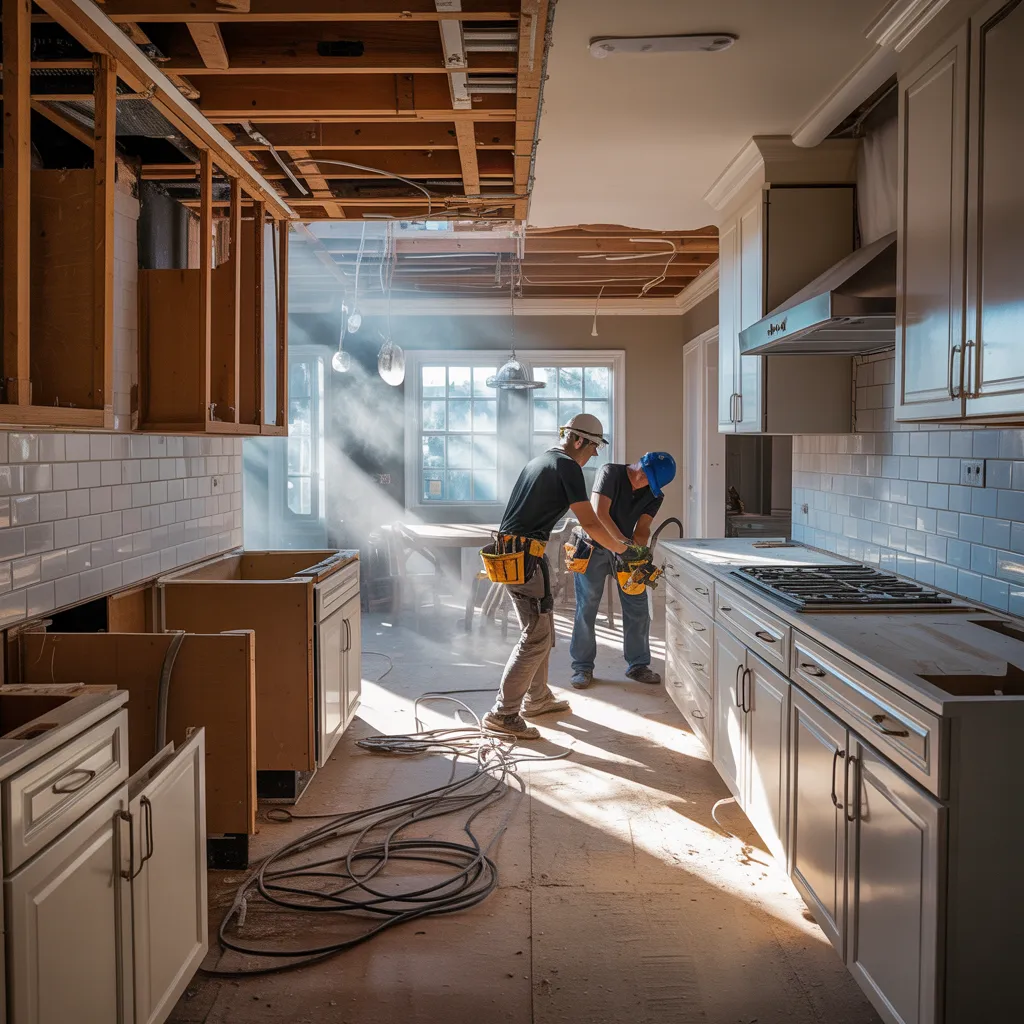
Following the initial meeting, the contractor will prepare comprehensive timelines and project outlines, allowing for an methodical process for the construction project. Once there is confirmation, the renovation shifts into the building stage, during which demolition, structural changes, and installations occur. Homeowners should anticipate some disruptions, as living arrangements may be affected.
Ongoing communication is vital during the renovation process to address any unforeseen issues or adjustments. In the concluding stages, as the renovation approaches the finishing stage, final details such as painting and decorating will take place. At the conclusion of the process, clients can look forward to a joint effort that transforms their initial vision into a tangible reality, demanding confidence and patience in their selected contractor.
How to Plan a Budget for Your Home Renovation
Budgeting for a home renovation necessitates meticulous planning and deliberation. First, homeowners need discover details on to establish the scope of the project, identifying specific renovations and intended outcomes. This level of clarity aids in setting a realistic budget. Subsequently, researching costs for materials, labor, and permits is vital. Gathering multiple quotes from contractors can provide a better understanding of potential expenses.
It is also wise to set aside a safety fund, usually 10-20% of the total budget, to accommodate unplanned financial demands. Residents should prioritize their improvement priorities, differentiating between must-haves and nice-to-haves, which can assist in making informed decisions should budgetary restrictions emerge.
Ultimately, tracking expenses throughout the renovation process confirms that expenditures remain consistent with the initial budget. By adhering to these guidelines, home renovators can establish a detailed fiscal roadmap that supports their vision while reducing unexpected issues along the way.
Frequent Renovation Errors to Steer Clear Of
When beginning a home renovation, homeowners often overlook critical details that can lead to costly mistakes. One common error is failing to accurately estimate the budget, which can lead to incomplete projects or rushed decisions. Furthermore, failing to secure the required permits can lead to legal complications and costly fines.
One other frequent error is not accounting for the timeline, leading to delays and frustration. Homeowners often overlook the necessity of hiring experienced contractors; substandard workmanship can undermine the quality and safety of the renovation.
Furthermore, selecting trendy designs rather than classic ones can diminish a home's property value. In addition, insufficient communication with contractors can lead to misunderstandings and unmet expectations. By identifying and steering clear of these pitfalls, homeowners can secure a more efficient renovation process, in turn achieving their vision without unnecessary obstacles.
Popular Questions We Receive
How Much Time Does a Standard Home Renovation Project Usually Take?
A typical home renovation project generally takes anywhere from a few weeks to several months, influenced by the scope and complexity of the work, the size of the space, and the availability of materials and labor.
Which Permits Are Necessary for Home Renovations?
Home renovation projects commonly demand multiple permits, including plumbing, electrical, zoning, and building permits. The particular requirements are determined by local regulations and the project's scope, necessitating consultation with local authorities to confirm compliance before beginning the project.
Can I Live in My Home During Renovations?
Yes, it is possible to remain in their house during remodeling projects, but it may lead to inconvenience and interruptions. Key factors to keep in mind are the scale of the renovation, potential safety hazards, and access to essential facilities during the remodeling period.
What Happens if Unexpected Issues Arise During Renovation?
Unanticipated challenges during renovation can cause delays, increased costs, and alterations in the project scope. Contractors typically evaluate the issue, communicate with homeowners, and offer practical solutions to ensure the work continues without major disruption regardless of the obstacles encountered.
How Should I Care for My Home Once Renovations Are Complete?
To keep a home in top condition following renovations, periodic inspections, regular cleaning, and swift repairs are vital. Homeowners should monitor surfaces, check for leaks, and maintain HVAC systems to ensure lasting beauty and operational efficiency.